What Happens During a Typical Humpback Whale-Watching Trip in Samaná?
If you are planning your first whale-watching excursion in Samaná, Dominican Republic, you may be wondering what the experience will actually be like. Where does the trip begin What happens once the boat reaches the bay How do guides find whales, and what should you expect if the animals remain underwater for a while?
Understanding the general stages of an excursion can help you feel more prepared and enjoy the experience without worrying about every detail.
Samaná is known for seasonal visits by humpback whales, which use the wider region during their breeding season. A whale-watching trip gives visitors an opportunity to observe these magnificent marine mammals in their natural environment. However, every excursion is different. Wildlife sightings, sea conditions, departure arrangements, and trip durations depend on the operator and circumstances on the day.
This guide explains what travelers can generally expect, from preparing for departure to observing whales and returning to shore.
1. Before the Excursion Begins
A successful outing starts before you board the boat. Your operator should provide the necessary information about the meeting point, departure time, expected duration, and any requirements for passengers.
Read your booking confirmation carefully. Some excursions depart from a designated meeting point, while others may offer transportation as part of a package. Do not assume hotel pickup, meals, refreshments, or other services are included unless the listing confirms them.
Before leaving your accommodation, check any updates from the operator. Weather and sea conditions can affect marine excursions, and schedules may sometimes need to change.
Arriving at the correct location with enough time to check in helps you avoid unnecessary stress. It also gives you an opportunity to ask questions about safety procedures and the planned experience.
2. Meeting the Crew and Boarding the Boat
Once you arrive, the operator or crew will generally guide passengers through the boarding process. The exact arrangements depend on the departure point and type of vessel.
You may receive instructions about where to sit, where personal belongings should be stored, and which areas of the boat are accessible. Pay attention even if you have taken boat trips before, because safety procedures can differ between vessels.
If you are traveling with children, make sure they understand the crew's instructions and remain in permitted areas. Passengers with mobility concerns should discuss boarding arrangements with the operator in advance.
Before departure, confirm that you understand the basic safety guidance. Keep your belongings secure and avoid blocking walkways or access to essential equipment.
The goal at this stage is simple: get settled, understand the arrangements, and prepare to enjoy the journey.
3. Traveling into the Whale-Watching Area
After departure, the boat travels toward an area where whale sightings may be possible. The route depends on the departure location, prevailing conditions, and the operator's plans.
During this part of the excursion, you may see the coastline, other boats, seabirds, and the changing colors of the sea. On a clear day, the surrounding landscape can provide a memorable introduction to Samaná Bay.
The journey is also a good time to listen to the guide. Depending on the excursion, the guide may explain the seasonal presence of humpback whales, their breeding-season behavior, and the importance of responsible wildlife viewing.
Do not expect the boat to reach a guaranteed sighting point. Whales are wild animals that move independently, and their location can change throughout the day.
4. Learning About Humpback Whales
Many whale-watching excursions include some explanation of the animals passengers hope to see. The amount of information varies by operator and guide, so check the specific tour description if educational commentary is important to you.
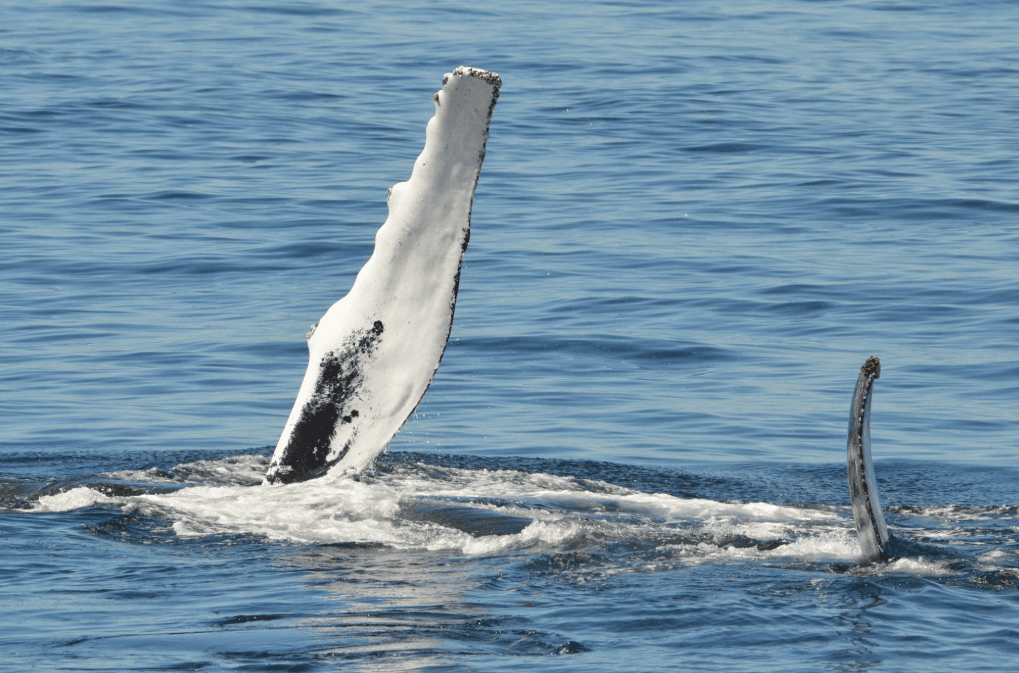
Humpback whales are large baleen whales known for their long pectoral fins, complex vocalizations, and varied surface behaviors. They may surface to breathe, dive, lift their tail flukes, or display other movements.
The wider Samaná region is associated with seasonal humpback whale activity during the North Atlantic breeding season. Whales use warm tropical waters for breeding-related activities and calving, although individual animals can differ in their movements and behavior.
Learning a little about whale biology makes the excursion more meaningful. Instead of simply waiting for a dramatic splash, you can appreciate the different behaviors you observe and recognize that ordinary surfacing can be interesting in its own right.
5. Searching for the First Whale Sighting
One of the most anticipatory parts of a whale-watching trip is looking for the first sign of a whale.
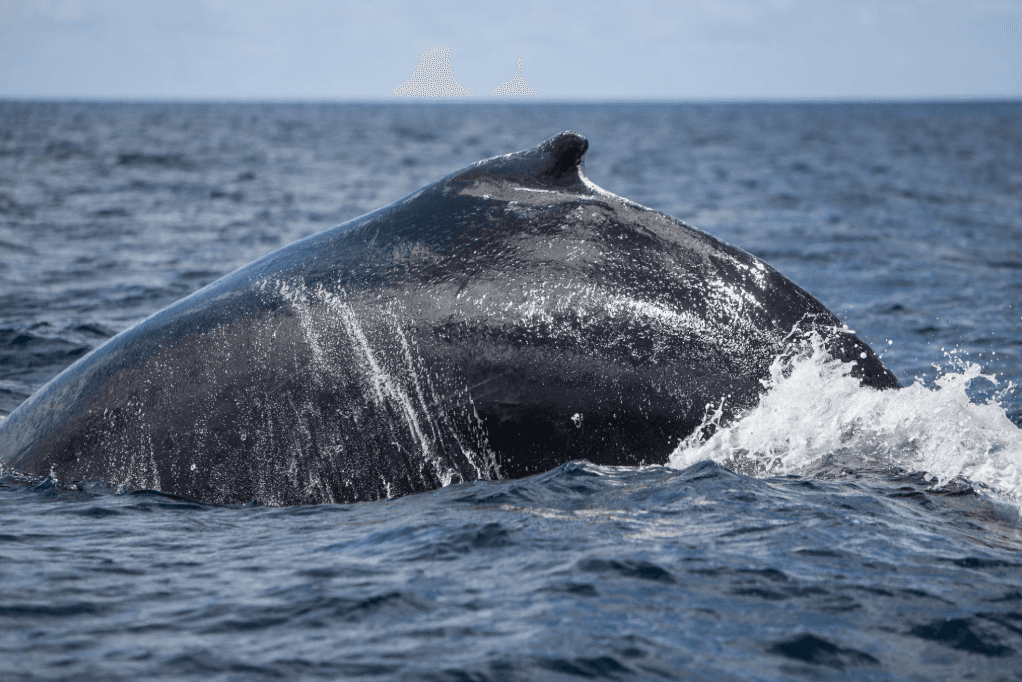
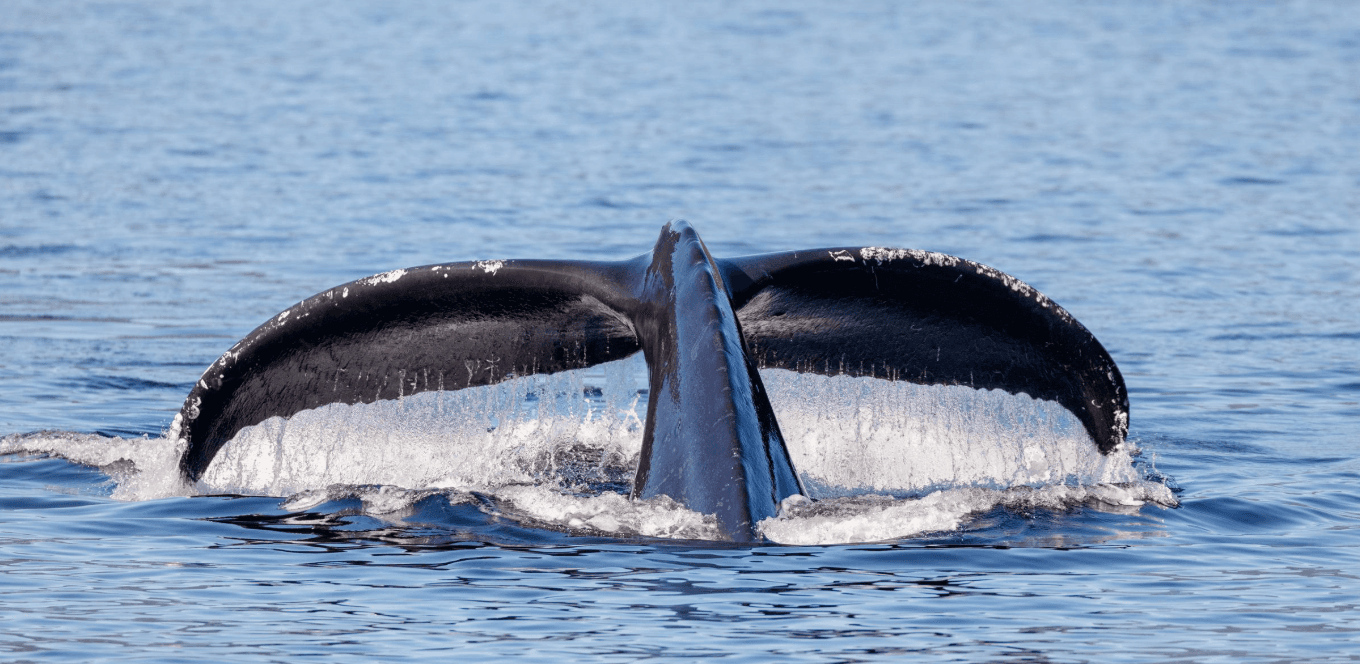
Crew members may scan the surrounding water for a visible back, a blow, a tail, or another indication that a whale is nearby. A blow is the visible cloud of warm, moist air and condensed water associated with exhalation at the surface.
Passengers can help by observing the wider area and listening to directions from the guide. However, leave navigation and vessel decisions to the crew.
You might see a whale relatively early, or the search may take longer than expected. There is no reliable way to promise the timing of the first sighting.
Patience is part of wildlife observation. The search itself can help you appreciate the scale of the ocean and the difficulty of locating animals that spend much of their time underwater.
6. Observing Humpback Whales in Their Natural Environment
When a whale is sighted, the crew may position the vessel for responsible viewing in accordance with applicable rules and local conditions.
You might observe a whale surfacing to breathe, swimming along the surface, or disappearing underwater for a period before returning. Some encounters may include a visible tail lift, while others may involve only a brief view of the animal's back.
Occasionally, a whale may breach or perform another conspicuous surface behavior. These events can be exciting, but they are not guaranteed and should never be treated as the expected outcome of every trip.
Give yourself time to watch the animal rather than concentrating entirely on taking photographs. A short sighting can still be meaningful when you notice the whale's size, movement, and relationship with the surrounding sea.
Remember that the whale determines the encounter. Responsible operators should not promise that passengers will experience a particular behavior or see a whale at a specific distance.
7. What Happens When a Whale Disappears Underwater?
A whale may remain visible for a short time and then disappear beneath the surface. This is a normal part of the encounter.
Humpback whales must surface to breathe, but they can travel underwater between surfacings. Passengers may therefore need to wait while the animal is out of sight.
The crew may continue observing the surrounding area and help passengers watch for another appearance. Depending on the circumstances, the next surfacing may occur somewhere different from the last one.
This period can feel longer when everyone is excited about a sighting. Try to remain patient and avoid assuming that a whale has left the area simply because it is no longer visible.
There is also no guarantee that the same whale will reappear during the remainder of the trip. Wildlife observation always involves uncertainty, and guides cannot control when an animal returns to the surface.
8. Understanding Responsible Whale-Watching Practices
A whale-watching excursion should prioritize the welfare of the animals as well as passenger safety.
The vessel should follow applicable wildlife-viewing regulations and the operator's responsible-observation procedures. These may govern approach distances, vessel speed, the duration of encounters, and how boats behave around whales.
Passengers also have a role. Listen to the crew, remain in permitted areas, avoid throwing anything into the water, and never attempt to touch or feed a wild whale.
Do not pressure the crew to chase an animal for a closer photograph. A respectful encounter may involve watching from a distance rather than getting an uninterrupted close-up view.
Choosing an operator that takes safety and responsible wildlife observation seriously helps support a better experience for visitors and reduces unnecessary disturbance to marine wildlife.
9. Taking Photographs and Enjoying the Experience
Many travelers want to bring home photographs of their whale-watching trip. A phone or camera can help preserve the memory, but wildlife photography requires patience.
Whales do not follow a schedule, and a photograph may capture only part of a movement. You might get a clear picture of a surfacing whale, a glimpse of its tail, or a wider view of the animal in the ocean.
Keep your device secure, follow the crew's safety instructions, and avoid leaning over railings or changing positions unsafely to improve your shot.
It can also be worthwhile to put the camera away for a while. Watching the whale directly allows you to appreciate the experience without constantly looking at a screen.
If you do take photographs, remember that a natural, unplanned encounter can be worth remembering even when the resulting images are not perfect.
10. What If the Weather or Sea Conditions Change?
Marine excursions depend on conditions that can change. Wind, waves, visibility, and other factors may affect comfort, navigation, and whether an outing can proceed safely.
The operator may adjust a route, delay departure, or cancel a trip when necessary. The available options depend on the booking terms and the circumstances.
Check the forecast before leaving and pay attention to any messages from the operator. Do not interpret a sunny forecast on land as a guarantee that conditions offshore will be identical.
If you are concerned about motion sickness, plan ahead and ask the operator about the expected conditions. Anyone considering medication should consult a pharmacist or healthcare professional when unsure about suitability or side effects.
Safety decisions belong to the crew and relevant authorities. A changed itinerary does not necessarily indicate a problem with the trip; it may simply be the appropriate response to conditions.
11. Returning to Shore
After the whale-watching portion of the excursion, the boat returns according to the operator's arrangements and prevailing conditions.
The return journey gives passengers time to relax, review their photographs, and reflect on what they observed. Depending on the route and weather, you may also enjoy views of the surrounding coastline.
Follow the crew's instructions during the return and disembarkation process. Keep personal belongings together and check the seating area before leaving the boat.
If you have another activity planned afterward, allow some flexibility rather than arranging an extremely tight connection. Boat trips can be affected by sea conditions and the timing of wildlife sightings.
Once back on shore, you may want to record the date, location, and details of the encounter while the experience is fresh in your memory.
12. How to Make the Most of Your First Trip
You do not need to be an experienced wildlife watcher to enjoy a humpback whale-watching excursion. A little preparation and a flexible attitude can help you appreciate the experience.
Before departure, confirm the practical details of your booking and bring suitable clothing, sun protection, and drinking water if permitted. Keep your belongings secure and follow the operator's instructions.
During the trip, listen to the guide, watch the surrounding water, and allow the crew to manage the vessel. Avoid expecting a particular number of whales, a close approach, or a dramatic display.
It can also help to set realistic expectations with children and other first-time travelers. Explain that the whales are wild animals and that sightings can vary.
The most rewarding excursion is not necessarily the one with the most dramatic photographs. It is one in which you can safely observe marine wildlife, learn something about the animals, and appreciate the natural environment.
Frequently Asked Questions
How long does a Samaná whale-watching trip take?
Trip duration varies by operator, departure point, vessel, and package. Check the specific listing or confirmation for the expected duration rather than relying on a general estimate.
Will I definitely see humpback whales?
No wildlife sighting can be guaranteed. Samaná is known for seasonal humpback whale activity, but sightings depend on factors such as timing, animal movements, and conditions on the day.
What happens first on a whale-watching excursion?
Generally, passengers meet the operator, check in, board the vessel, and receive safety instructions before departure. Exact procedures vary between tours.
Can children join a whale-watching trip?
That depends on the operator's age requirements, vessel arrangements, and safety policies. Confirm suitability for your child's age before booking.
What should I bring?
Comfortable clothing, sun protection, and any necessary personal items are useful starting points. See the separate packing guide for a fuller checklist, and confirm whether refreshments or other supplies are included.
Will the guide explain whale behavior?
Some excursions include educational commentary, but the level of interpretation varies. Check the tour description if having a knowledgeable guide is important to you.
What happens if no whales are seen?
The outcome and any available alternatives depend on the operator's policy and booking terms. Ask about its wildlife-sighting policy before reserving, and do not assume a refund or another trip is guaranteed.
Can the boat approach whales closely?
Approaches must comply with applicable rules and responsible wildlife-viewing practices. The crew should make decisions based on safety and animal welfare, not solely on passengers' desire for close photographs.
Is whale watching in Samaná available all year?
The region is particularly known for seasonal humpback whale watching during the North Atlantic breeding season. Availability of dedicated whale-watching excursions may vary outside the main season, so check current dates with local operators.
Conclusion
A typical Samaná whale-watching excursion combines a boat journey, a search for marine wildlife, opportunities to observe humpback whales, and a return to shore. The precise sequence, duration, and included services depend on the operator and the conditions on the day.
For first-time visitors, the key is to arrive prepared, listen to the crew, and remain flexible. A whale may surface quickly, stay underwater for a while, or display behavior you did not expect. Each encounter is different because the animals are wild.
By understanding what generally happens during the trip and choosing a responsible operator, you can approach your Samaná whale-watching adventure with realistic expectations and a greater appreciation for the humpback whales that visit these waters.

Local explorer & expert guide in Taxi Sabana de la Mar.